By Dr. Hardik M Shah (Medical Director, MS Orthopedic, FRCS Germany) · Medically reviewed by Dr. Swagat M Shah (FIAAS UK) · Published May 25, 2026
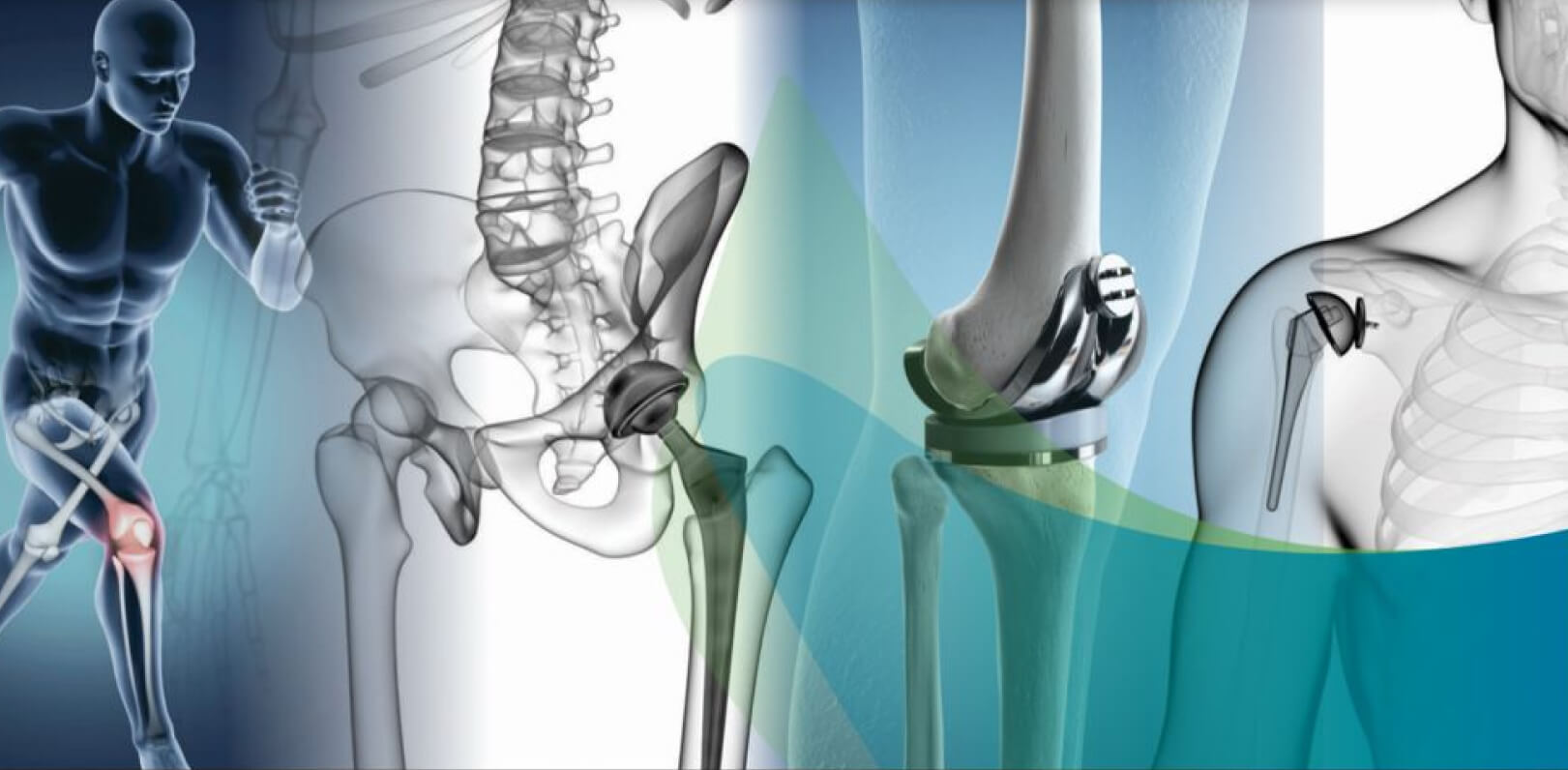
"At 52, Meera thought she'd never walk without pain again."
Six weeks after her robotic knee replacement with Dr. Hardik Shah at DHS Hospital, she's hiking on weekends. Here is why the robotic path changed everything — and why it might change yours too.
Meera's story is not unusual. For years, she managed bone-on-bone arthritis with painkillers, physiotherapy, and willpower. She dreaded the idea of surgery — not because she doubted the science, but because she feared the recovery. Months of dependency. A slow, painful return to normalcy. When Dr. Hardik Shah explained the VELYS robotic approach — imageless precision, smaller incisions, walking within days — she decided to take the step. Six weeks later, she was doing things she had given up entirely.
This article is a complete, honest comparison of robotic and traditional knee replacement: what each approach delivers, where they differ, and how to decide which path is right for you.
The Knee Pain That Steals Your Life
You have tried everything. Painkillers. Physiotherapy. Weight management. But the knee pain keeps returning — stealing your morning walks, your grandchildren's visits, your independence. By 50+, many of us accept that "this is just aging." But it does not have to be.
Consider what chronic knee pain actually costs, day by day:
- Waking up with stiffness that takes 30 minutes to fade before you can move freely
- Avoiding stairs, long car rides, and family outings because the pain is simply not worth it
- Sleepless nights because lying in any position becomes uncomfortable
- The quiet fear that surgery means months of recovery and leaning on others
- Feeling older than your actual age — trapped in a body that no longer matches your spirit
The good news? Modern robotic surgery has changed the equation entirely.
Traditional Knee Replacement: What Works, What Doesn't
Traditional knee replacement surgery has helped millions of patients across India and the world regain mobility. The surgeon uses calibrated instruments, anatomical landmarks, and hard-won experience to align and resurface the knee joint. It works. For many patients, it delivers excellent outcomes. But there are real trade-offs worth understanding before you decide.
The Traditional Approach — Strengths
- Proven track record: 30+ years of reliable outcomes across millions of procedures globally
- Widely available: Nearly every orthopedic surgeon in India is trained and experienced in traditional knee replacement
- Effective for severe arthritis: Removes damaged bone and cartilage, restoring the joint surface reliably
- Established recovery pathways: Physiotherapy centres everywhere understand traditional knee replacement recovery protocols
The Traditional Approach — The Hidden Costs
- Manual precision limits: Even the most experienced surgeon's hands are subject to small variations — alignment can drift by 3–5mm, which may sound minor but affects long-term implant performance
- Larger incisions and more tissue disruption: More soft tissue trauma means more swelling, more pain in the early weeks, and a slower path back to walking confidently
- Extended hospital stay: Typically 3–4 days post-operatively, compared to 1–2 days with robotic-assisted surgery
- Longer return to daily life: Most patients need 12–16 weeks before feeling fully confident on stairs, in cars, and walking outdoors
- Higher long-term revision rates: Small misalignments accumulate over time — studies report revision surgery rates of 10–15% within 10 years for traditional knee replacement
Traditional surgery is not "bad" — it is just constrained by human precision. Robotic surgery removes that constraint.
Robotic Knee Replacement: The Next-Generation Difference
Robotic knee replacement is not about a robot doing the surgery on its own. It is about real-time, AI-guided precision that maps your unique anatomy during the procedure and executes the surgical plan to sub-millimetre accuracy — while your surgeon remains in complete control at every step.
How Dr. Hardik Shah's VELYS System Works (No Pre-Op CT Scans)
Unlike older robotic systems that require radiation-heavy pre-operative CT scans — adding cost, delay, and radiation exposure to your journey — the 4th-generation VELYS Robotic System used by Dr. Hardik Shah at DHS Hospital is completely imageless. Here is what that means for you as a patient:
- Digital mapping happens during surgery: The robotic system scans and maps your knee anatomy in real-time on the operating table — zero pre-operative radiation exposure
- Dynamic, patient-specific execution: The system continuously adjusts to your unique bone structure, alignment, and soft tissue as surgery progresses
- Faster scheduling: No weeks spent waiting for CT imaging — once you are confirmed as a candidate, you move directly to surgery scheduling
- Sub-millimetre precision: Bone cuts and implant positioning are accurate to within 0.5mm — a standard that human hands alone cannot consistently achieve
- Minimal tissue damage: Smaller, more targeted incisions mean less bleeding, less swelling, and significantly less post-operative pain
You can read a full overview of the VELYS robotic system and how it works at DHS Hospital →
The Real-World Robotic Advantages for You
Robotic precision means optimal implant alignment on the first attempt. Misalignment is one of the leading causes of chronic post-operative knee pain. With the VELYS system, patients consistently report faster, more durable pain relief — because the root cause (misalignment) is addressed before it can become a problem.
Smaller incisions plus better alignment means faster soft tissue healing. Most of Dr. Hardik Shah's robotic patients are walking without a walker by day 3–5. Within 6–8 weeks, many are managing daily activities pain-free — a milestone that traditionally takes 12–16 weeks to reach.
Hiking, gardening, playing with grandchildren, traveling across Gujarat or India — robotic patients consistently report returning to these activities 8–12 weeks faster than patients who underwent traditional knee replacement. Life does not pause nearly as long.
Sub-millimetre accuracy means your implant is positioned correctly for your anatomy from day one, and stays that way. Revision rates for robotic knee replacement are reported at under 5% at 10 years — compared to 10–15% for traditional surgery. For a 55-year-old patient, that difference matters enormously for long-term quality of life.
Robotic surgery means less surgical trauma, less bleeding, and less swelling. Most patients are ready to go home after just 1–2 days — compared to 3–4 days for traditional surgery. A shorter stay means less disruption for your family and a faster transition to the comfort of your own home.
Robotic vs Traditional: The Honest Comparison Table
Numbers make comparisons clear. Here is how robotic and traditional knee replacement genuinely compare across the factors that matter most to patients at DHS Multispecialty Hospital:
| Factor | Traditional Surgery | Robotic (VELYS) Surgery |
|---|---|---|
| Surgical precision | ±3–5mm variation | ±0.5mm precision |
| Hospital stay | 3–4 days | 1–2 days |
| Walking timeline | 2–3 weeks (with walker) | 3–5 days (minimal support) |
| Return to daily activities | 12–16 weeks | 6–10 weeks |
| Revision risk (10 years) | 10–15% | Under 5% |
| Pain management post-op | Moderate to high | Mild to moderate |
| Cost difference | Baseline cost | ₹50K–70K premium |
| Cashless availability | Yes (most panels) | Yes (all major panels at DHS) |
Your Real Questions — Answered
These are the questions we hear most often from patients across Ahmedabad and Gujarat when they first learn about robotic knee surgery at DHS Hospital.
Why Choose Dr. Hardik Shah & DHS Hospital for Robotic Knee Surgery?
- Exclusive VELYS expertise: Dr. Hardik Shah is one of Ahmedabad's most experienced robotic joint replacement surgeons, with over 500 successful VELYS procedures performed at DHS Multispecialty Hospital
- Imageless precision: No pre-operative radiation exposure, no CT scan delays — faster surgery scheduling, fewer appointments before surgery, and a streamlined path from consultation to recovery
- Comprehensive cashless support: DHS Hospital is empaneled with 40+ insurance companies; our billing team handles pre-authorization, claims, and all post-operative billing coordination end-to-end
- End-to-end care: Surgical excellence combined with guided physiotherapy, in-house rehabilitation, and structured follow-up support — all under one roof at our Ahmedabad hospital
- A trusted patient community: Hundreds of patients aged 50+ from across Gujarat and India have regained pain-free living through Dr. Hardik Shah's robotic approach — and their stories continue to grow
For a detailed look at the VELYS procedure, recovery timeline, and patient experiences, visit our dedicated robotic knee replacement guide at DHS Hospital →
Ready to Walk Pain-Free Again?
You have spent years managing pain, trying workarounds, and hoping it improves on its own. It is time to stop managing and start living. Dr. Hardik Shah offers a personalised robotic joint assessment — a focused 30-minute consultation that gives you a clear, honest roadmap to pain-free living. No pressure. No jargon. Just answers.
What Happens in Your First Consultation:
- Medical history review + thorough knee examination (in-clinic X-rays if needed, at no extra charge)
- Clear explanation: Is your knee a candidate for robotic surgery? Why robotic makes sense for your specific situation
- Honest, itemised cost breakdown: Implant + surgery + hospital stay + anaesthesia — no hidden charges, no surprises
- Insurance clarity: We confirm your coverage, initiate pre-authorization, and answer every billing question
- Surgery timeline: When can we schedule? (Typically within 2–4 weeks of confirmed candidacy)
Serving patients from Ahmedabad, Gandhinagar, Surat, Vadodara, and across India · Comprehensive cashless treatment available at DHS Multispecialty Hospital
First consultation: 30 minutes. Result: A clear path to reclaiming your life without knee pain.
This article is for educational purposes and does not constitute or replace personalised medical advice. Every knee is unique, and outcomes vary between individuals. Dr. Hardik Shah will conduct a thorough clinical evaluation to determine whether robotic knee replacement is appropriate for your specific condition. Schedule your consultation at DHS Multispecialty Hospital, Ahmedabad, to receive guidance tailored to you.