By the Cardiology Team at DHS Multispecialty Hospital · Published October 14, 2026 · 6 min read
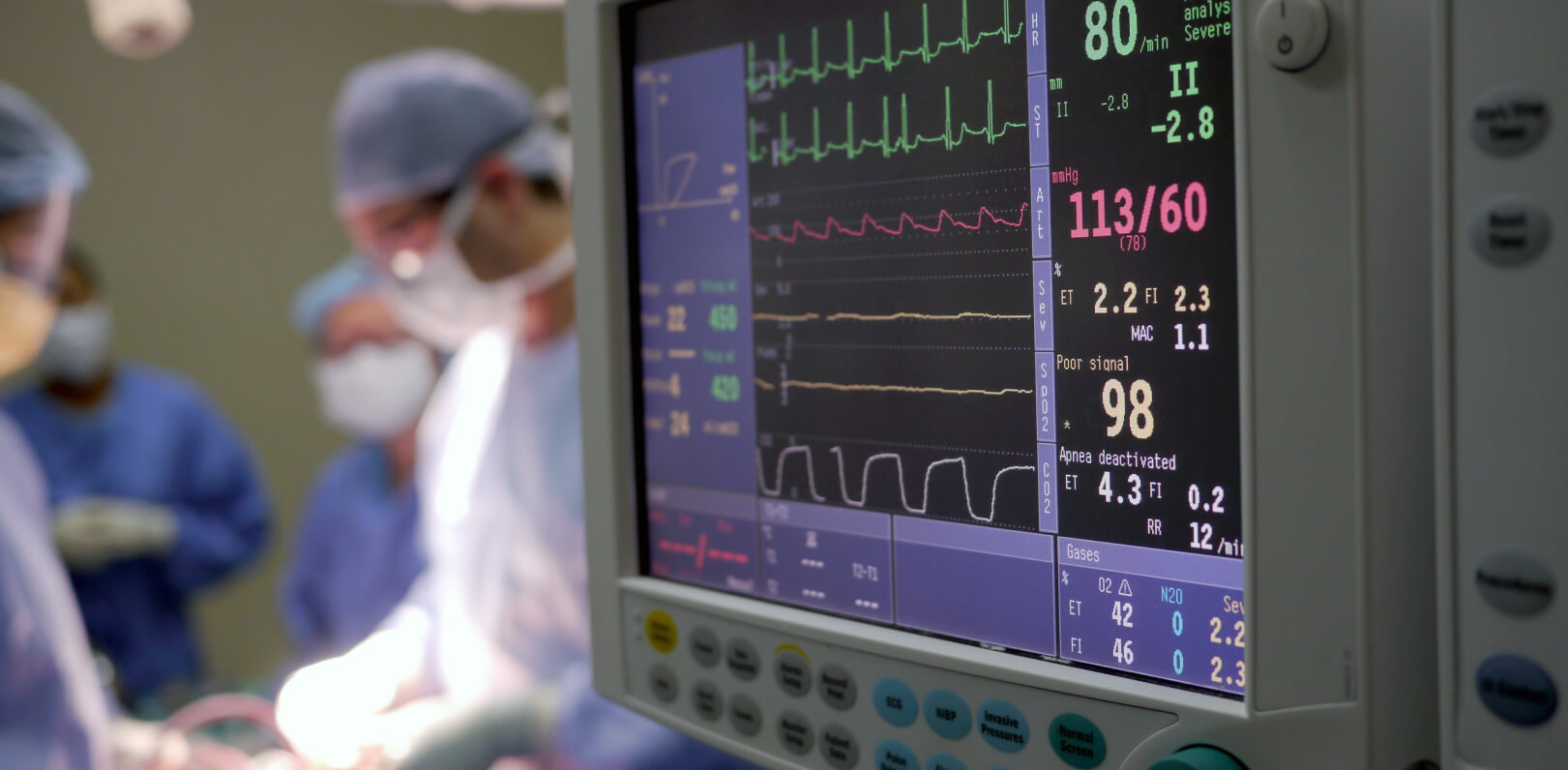
"The doctor has asked for an ECG and an echo. Are they the same thing? Do I need a TMT too?" Heart tests have short, confusing names, and it is natural to wonder why you need more than one. Each test answers a different question about your heart. This guide explains what each one shows, how it is done, and the symptoms that mean you should see a cardiologist soon.
ECG (Electrocardiogram): The Heart's Electrical Signal
An ECG records the electrical activity that makes your heart beat. Small sticky pads are placed on your chest, arms and legs, and a machine draws your heart rhythm as a line on paper or a screen. It takes a few minutes and is completely painless.
An ECG can show an irregular or very fast or slow heartbeat, signs of a current or earlier heart attack, and strain on the heart muscle. It is usually the first test for chest pain, palpitations or dizziness, because it is quick and gives an immediate picture.
2D Echo (Echocardiography): A Moving Picture of the Heart
A 2D Echo is an ultrasound scan of the heart, similar to the scan used in pregnancy. A probe with gel is moved across your chest, and a live image of your heart appears on the screen. There is no radiation and no pain.
Where an ECG shows the electrical signal, an echo shows the structure and pumping: how strongly the heart squeezes, whether the valves open and close properly, and whether any chamber is enlarged. It is commonly used for breathlessness, swollen ankles, a heart murmur, or to check the heart after a heart attack.
TMT (Treadmill Stress Test): How the Heart Copes with Effort
Some heart problems only show up when the heart is working hard. In a TMT, you walk on a treadmill while your ECG and blood pressure are recorded. The speed and slope increase every few minutes, and the test stops when you reach the target heart rate or if you have symptoms.
A TMT helps find narrowed heart arteries that reduce blood flow during exertion, often felt as chest discomfort or breathlessness while climbing stairs or walking fast. Your cardiologist decides whether a TMT is safe and useful for you; it is not done during active chest pain.
Holter Monitoring: Catching Symptoms That Come and Go
Palpitations or dizzy spells often disappear by the time you reach the clinic. A Holter monitor is a small portable ECG recorder you wear for 24 to 48 hours while you go about your normal day. It captures heart rhythm problems that a few minutes of ECG can miss.
Which Test Will I Need?
| Your concern | Tests commonly used |
|---|---|
| Chest pain or pressure | ECG first; then echo and, when appropriate, TMT |
| Breathlessness or swollen ankles | ECG and 2D Echo |
| Palpitations or dizzy spells | ECG and Holter monitoring |
| Routine check with diabetes, BP or family history | ECG, with echo or TMT as advised |
This table is a general guide. Your cardiologist chooses tests based on your symptoms, examination and risk factors.
When Should You See a Cardiologist?
Book a cardiology consultation if you notice:
- Chest pain, pressure or tightness, especially on exertion
- Breathlessness while walking or climbing stairs
- Palpitations, dizziness or fainting
- Swelling of the feet and ankles
- A family history of heart disease, or diabetes, high blood pressure or high cholesterol
Possible heart attack? Do not wait for an appointment.
Chest pain lasting more than a few minutes, especially with sweating, breathlessness, nausea, or pain spreading to the arm, jaw or back, needs emergency care. Do not drive yourself.
DHS runs a 24/7 cardiac emergency service with ECG, 2D Echo and ICU support. Call +91 9081610444.
Heart Care at DHS Multispecialty Hospital
The Cardiology department at DHS offers ECG, 2D Echocardiography, stress testing (TMT), Holter monitoring, preventive cardiology and heart failure management under one roof in Gurukul, Ahmedabad. Consultations are led by Dr. Sunil Gurmukhani (MD Medicine, DM Cardiology), with the hospital's 24/7 emergency and ICU as backup.
Need a heart check-up or have symptoms you are unsure about?
Book a Consultation Call +91 9081610444 Cardiology at DHSAbout this article. Written by the Cardiology Team at DHS Multispecialty Hospital, Ahmedabad, a NABH-accredited multispecialty hospital. This article is for health awareness only and does not replace personal medical advice. If you have symptoms, please consult a doctor promptly.